by George Stark | Jan 5, 2026 | AI
The AI revolution isn't coming – it's already here. According to recent data, 77% of small businesses are now using at least one AI tool, up from just over half three years ago. That's a massive shift in just a few short years.
But here's the thing: just because you're using AI doesn't mean you're using it right.
At Web ABCs, we've worked with hundreds of small businesses implementing AI solutions, and we see the same mistakes over and over again. These aren't just minor hiccups – they're costly errors that can actually set your business back instead of moving it forward.
The good news? These mistakes are totally fixable. And once you know what to look for, you can avoid them completely.
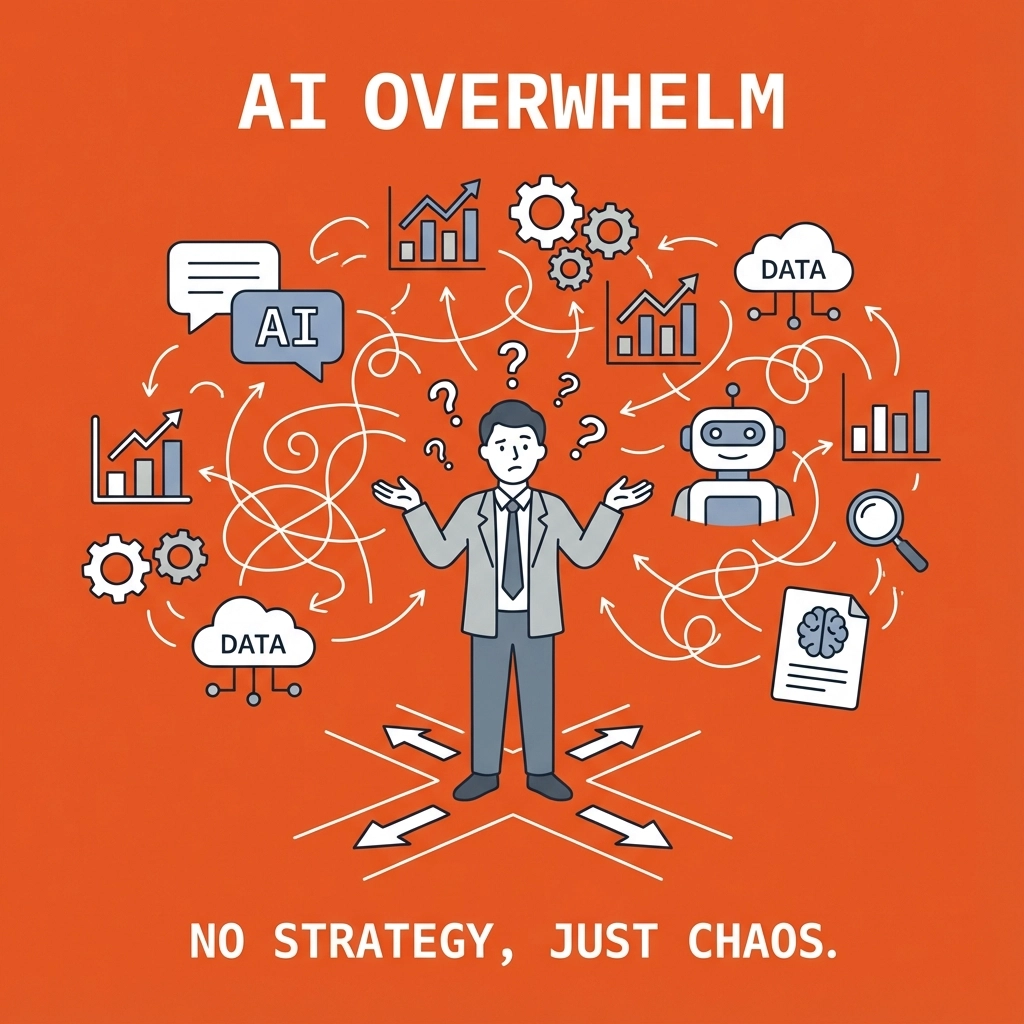
Mistake #1: Jumping Into AI Without a Clear Strategy
The Problem: You heard AI could save time and money, so you signed up for the first chatbot or automation tool you found. Now you're paying monthly fees for something that sits mostly unused.
Think of AI like hiring a new employee. You wouldn't hire someone without knowing exactly what job they'll do, right? Yet that's exactly what many businesses do with AI tools.

The Fix: Start with your biggest pain points. Ask yourself:
- What tasks eat up the most time in my day?
- Where do we lose potential customers?
- What processes could run while I sleep?
At Web ABCs, we always recommend the "One Problem, One Solution" approach. Pick your biggest headache first, then find the AI tool specifically designed to solve it.
Quick Win: Spend 15 minutes this week listing your top 3 business frustrations. Then research AI solutions for just ONE of them. Master that before moving to the next.
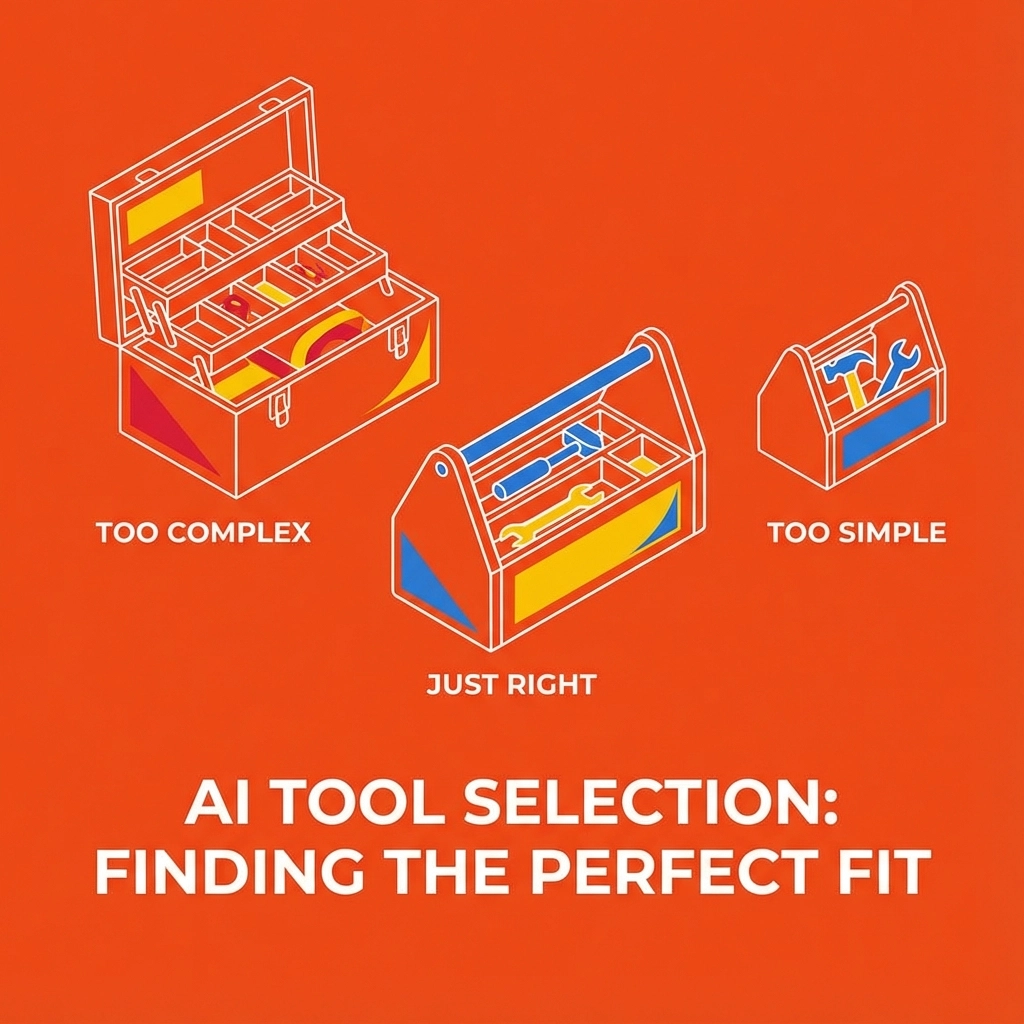
Mistake #2: Choosing Tools That Are Too Complex (Or Too Simple) for Your Business
The Problem: You either went with enterprise-level AI that requires a computer science degree to operate, or you chose the cheapest option that can barely handle basic tasks.
It's like buying a Formula 1 race car when you just need to get groceries, or trying to tow a boat with a bicycle. The tool has to match your actual needs.
The Fix: Consider the "Goldilocks Principle" – not too hot, not too cold, but just right for your business size and technical comfort level.
For most small businesses, this means:
- Tools with simple setup and intuitive interfaces
- Solutions that integrate with software you already use
- Options that can grow with your business
- Support teams that actually answer the phone (like ours at 703-864-2599)
Quick Win: Before buying any AI tool, ask for a free trial or demo. If you can't figure out the basics in 30 minutes, it's probably too complex for your current needs.
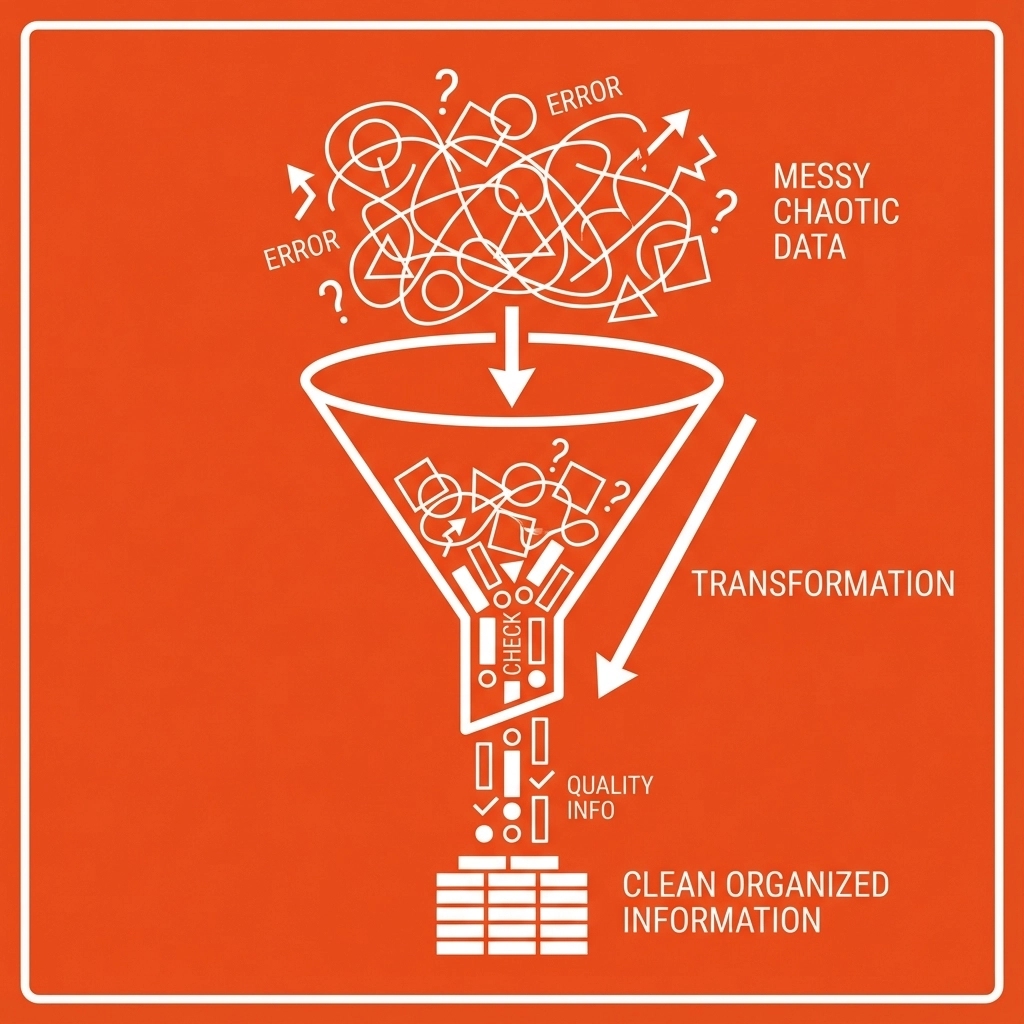
Mistake #3: Ignoring Your Data Quality (Garbage In, Garbage Out)
The Problem: You fed your AI tool messy, incomplete, or outdated information, then wondered why it's giving you weird results.
AI is like a really smart assistant with a perfect memory – but if you give that assistant wrong information, they'll confidently give you wrong answers.
The Fix: Clean up your data before implementing AI. This means:
- Removing duplicate customer entries
- Updating old contact information
- Organizing files with consistent naming
- Creating clear categories for your products/services
Real Example: One of our clients at Web ABCs was getting terrible email marketing results from their AI tool. The problem? Their customer list had the same people entered 3-4 times with different email addresses. The AI was treating each entry as a separate person, completely messing up the personalization.
Quick Win: Pick one database (customers, products, or leads) and spend one hour cleaning it up. Remove duplicates, fix obvious errors, and standardize formats. You'll see immediate improvements in any AI tools that use this data.
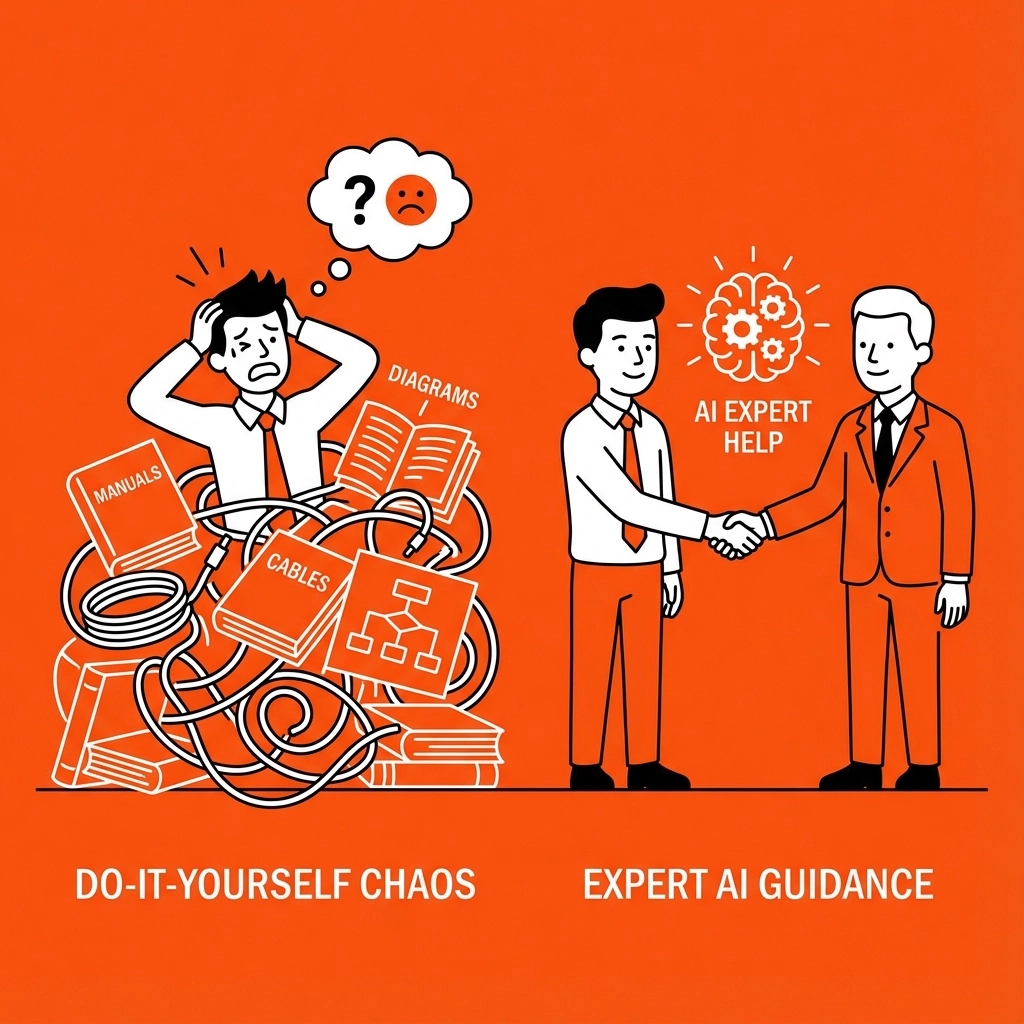
Mistake #4: Trying to Do Everything In-House Without Expertise
The Problem: You think you can set up, manage, and optimize AI systems yourself because you're good with computers.
Here's the reality: AI implementation is like plumbing. Sure, you can watch YouTube videos and maybe fix a leaky faucet. But when it comes to rewiring your entire system, you probably want to call a professional.
The Fix: Decide what's worth learning yourself and what's worth outsourcing.
DIY-Friendly AI Tasks:
- Basic chatbot setup
- Simple automation workflows
- Content generation tools
- Social media scheduling
Call-the-Experts Tasks:
- Custom AI integrations
- Advanced data analysis
- Multi-platform automation
- AI-powered website optimization
At Web ABCs, we often see business owners spend 20+ hours trying to set up something we could implement in 2 hours. That's not efficiency – that's expensive stubbornness.
Quick Win: Calculate your hourly rate as a business owner. If an AI expert charges less than your hourly rate to implement something that would take you 10+ hours to figure out, hire the expert.
Mistake #5: Not Measuring Results (Flying Blind)
The Problem: You implemented AI tools but have no idea if they're actually helping your business. You're paying monthly fees based on hope, not data.
This is like going on a diet without ever stepping on a scale. You might feel like you're making progress, but you have no real way to know.
The Fix: Set clear, measurable goals before implementing any AI solution, then track your progress.
Key Metrics to Track:
- Time saved per week
- Cost savings per month
- Revenue generated from AI-assisted activities
- Customer satisfaction scores
- Lead conversion rates
Real Example: One Web ABCs client thought their AI chatbot wasn't working because it "felt" like they were still getting the same customer service load. When we pulled the data, we discovered the chatbot was handling 60% of routine questions, saving 15 hours per week of staff time. The remaining questions just felt the same because they were the complex ones that needed human attention anyway.
Quick Win: For any AI tool you're currently using, pick one simple metric to track for the next 30 days. Set a calendar reminder to check it weekly.
The Bottom Line: AI Should Make Your Life Easier, Not Harder
Here's what successful small businesses understand: AI isn't about replacing humans or becoming a tech company. It's about automating the boring stuff so you can focus on what you do best – running your business and serving customers.
The businesses thriving with AI are the ones who:
- Start small and scale gradually
- Choose tools that fit their actual needs
- Keep their data organized and clean
- Get help when they need it
- Track what's working and what isn't
Remember, small businesses using AI effectively save an average of 114 hours per employee per year and earn $3.70 for every $1 invested in AI. Those are real numbers that can transform your business – if you avoid the common pitfalls.
Ready to Get AI Right?
At Web ABCs, we've helped hundreds of small businesses implement AI solutions that actually work. We understand the challenges you're facing because we've seen them all before.
If you're ready to stop making expensive AI mistakes and start seeing real results, let's talk. We offer a free consultation where we'll review your current setup and identify the biggest opportunities for improvement.
Call us at 703-864-2599 or visit our consultation page to schedule your free AI strategy session.
Don't let another month go by wondering if your AI investments are paying off. Let's make sure they are.
Meta Keywords: AI for small businesses, artificial intelligence mistakes, small business automation, AI implementation, marketing automation, AI strategy, business AI tools, AI consulting, Web ABCs, AI ROI, small business technology, AI optimization
by George Stark | Jan 5, 2026 | AI
The AI revolution isn't coming – it's already here. According to recent data, 77% of small businesses are now using at least one AI tool, up from just over half three years ago. That's a massive shift in just a few short years.
But here's the thing: just because you're using AI doesn't mean you're using it right.
At Web ABCs, we've worked with hundreds of small businesses implementing AI solutions, and we see the same mistakes over and over again. These aren't just minor hiccups – they're costly errors that can actually set your business back instead of moving it forward.
The good news? These mistakes are totally fixable. And once you know what to look for, you can avoid them completely.
Mistake #1: Jumping Into AI Without a Clear Strategy
The Problem: You heard AI could save time and money, so you signed up for the first chatbot or automation tool you found. Now you're paying monthly fees for something that sits mostly unused.
Think of AI like hiring a new employee. You wouldn't hire someone without knowing exactly what job they'll do, right? Yet that's exactly what many businesses do with AI tools.
The Fix: Start with your biggest pain points. Ask yourself:
- What tasks eat up the most time in my day?
- Where do we lose potential customers?
- What processes could run while I sleep?
At Web ABCs, we always recommend the "One Problem, One Solution" approach. Pick your biggest headache first, then find the AI tool specifically designed to solve it.
Quick Win: Spend 15 minutes this week listing your top 3 business frustrations. Then research AI solutions for just ONE of them. Master that before moving to the next.
Mistake #2: Choosing Tools That Are Too Complex (Or Too Simple) for Your Business
The Problem: You either went with enterprise-level AI that requires a computer science degree to operate, or you chose the cheapest option that can barely handle basic tasks.
It's like buying a Formula 1 race car when you just need to get groceries, or trying to tow a boat with a bicycle. The tool has to match your actual needs.
The Fix: Consider the "Goldilocks Principle" – not too hot, not too cold, but just right for your business size and technical comfort level.
For most small businesses, this means:
- Tools with simple setup and intuitive interfaces
- Solutions that integrate with software you already use
- Options that can grow with your business
- Support teams that actually answer the phone (like ours at 703-864-2599)
Quick Win: Before buying any AI tool, ask for a free trial or demo. If you can't figure out the basics in 30 minutes, it's probably too complex for your current needs.
Mistake #3: Ignoring Your Data Quality (Garbage In, Garbage Out)
The Problem: You fed your AI tool messy, incomplete, or outdated information, then wondered why it's giving you weird results.
AI is like a really smart assistant with a perfect memory – but if you give that assistant wrong information, they'll confidently give you wrong answers.
The Fix: Clean up your data before implementing AI. This means:
- Removing duplicate customer entries
- Updating old contact information
- Organizing files with consistent naming
- Creating clear categories for your products/services
Real Example: One of our clients at Web ABCs was getting terrible email marketing results from their AI tool. The problem? Their customer list had the same people entered 3-4 times with different email addresses. The AI was treating each entry as a separate person, completely messing up the personalization.
Quick Win: Pick one database (customers, products, or leads) and spend one hour cleaning it up. Remove duplicates, fix obvious errors, and standardize formats. You'll see immediate improvements in any AI tools that use this data.
Mistake #4: Trying to Do Everything In-House Without Expertise
The Problem: You think you can set up, manage, and optimize AI systems yourself because you're good with computers.
Here's the reality: AI implementation is like plumbing. Sure, you can watch YouTube videos and maybe fix a leaky faucet. But when it comes to rewiring your entire system, you probably want to call a professional.
The Fix: Decide what's worth learning yourself and what's worth outsourcing.
DIY-Friendly AI Tasks:
- Basic chatbot setup
- Simple automation workflows
- Content generation tools
- Social media scheduling
Call-the-Experts Tasks:
- Custom AI integrations
- Advanced data analysis
- Multi-platform automation
- AI-powered website optimization
At Web ABCs, we often see business owners spend 20+ hours trying to set up something we could implement in 2 hours. That's not efficiency – that's expensive stubbornness.
Quick Win: Calculate your hourly rate as a business owner. If an AI expert charges less than your hourly rate to implement something that would take you 10+ hours to figure out, hire the expert.
Mistake #5: Not Measuring Results (Flying Blind)
The Problem: You implemented AI tools but have no idea if they're actually helping your business. You're paying monthly fees based on hope, not data.
This is like going on a diet without ever stepping on a scale. You might feel like you're making progress, but you have no real way to know.
The Fix: Set clear, measurable goals before implementing any AI solution, then track your progress.
Key Metrics to Track:
- Time saved per week
- Cost savings per month
- Revenue generated from AI-assisted activities
- Customer satisfaction scores
- Lead conversion rates
Real Example: One Web ABCs client thought their AI chatbot wasn't working because it "felt" like they were still getting the same customer service load. When we pulled the data, we discovered the chatbot was handling 60% of routine questions, saving 15 hours per week of staff time. The remaining questions just felt the same because they were the complex ones that needed human attention anyway.
Quick Win: For any AI tool you're currently using, pick one simple metric to track for the next 30 days. Set a calendar reminder to check it weekly.
The Bottom Line: AI Should Make Your Life Easier, Not Harder
Here's what successful small businesses understand: AI isn't about replacing humans or becoming a tech company. It's about automating the boring stuff so you can focus on what you do best – running your business and serving customers.
The businesses thriving with AI are the ones who:
- Start small and scale gradually
- Choose tools that fit their actual needs
- Keep their data organized and clean
- Get help when they need it
- Track what's working and what isn't
Remember, small businesses using AI effectively save an average of 114 hours per employee per year and earn $3.70 for every $1 invested in AI. Those are real numbers that can transform your business – if you avoid the common pitfalls.
Ready to Get AI Right?
At Web ABCs, we've helped hundreds of small businesses implement AI solutions that actually work. We understand the challenges you're facing because we've seen them all before.
If you're ready to stop making expensive AI mistakes and start seeing real results, let's talk. We offer a free consultation where we'll review your current setup and identify the biggest opportunities for improvement.
Call us at 703-864-2599 or visit our consultation page to schedule your free AI strategy session.
Don't let another month go by wondering if your AI investments are paying off. Let's make sure they are.
Meta Keywords: AI for small businesses, artificial intelligence mistakes, small business automation, AI implementation, marketing automation, AI strategy, business AI tools, AI consulting, Web ABCs, AI ROI, small business technology, AI optimization
by George Stark | Jan 5, 2026 | AI
The AI revolution isn't coming – it's already here. According to recent data, 77% of small businesses are now using at least one AI tool, up from just over half three years ago. That's a massive shift in just a few short years.
But here's the thing: just because you're using AI doesn't mean you're using it right.
At Web ABCs, we've worked with hundreds of small businesses implementing AI solutions, and we see the same mistakes over and over again. These aren't just minor hiccups – they're costly errors that can actually set your business back instead of moving it forward.
The good news? These mistakes are totally fixable. And once you know what to look for, you can avoid them completely.
Mistake #1: Jumping Into AI Without a Clear Strategy
The Problem: You heard AI could save time and money, so you signed up for the first chatbot or automation tool you found. Now you're paying monthly fees for something that sits mostly unused.
Think of AI like hiring a new employee. You wouldn't hire someone without knowing exactly what job they'll do, right? Yet that's exactly what many businesses do with AI tools.
The Fix: Start with your biggest pain points. Ask yourself:
- What tasks eat up the most time in my day?
- Where do we lose potential customers?
- What processes could run while I sleep?
At Web ABCs, we always recommend the "One Problem, One Solution" approach. Pick your biggest headache first, then find the AI tool specifically designed to solve it.
Quick Win: Spend 15 minutes this week listing your top 3 business frustrations. Then research AI solutions for just ONE of them. Master that before moving to the next.
Mistake #2: Choosing Tools That Are Too Complex (Or Too Simple) for Your Business
The Problem: You either went with enterprise-level AI that requires a computer science degree to operate, or you chose the cheapest option that can barely handle basic tasks.
It's like buying a Formula 1 race car when you just need to get groceries, or trying to tow a boat with a bicycle. The tool has to match your actual needs.
The Fix: Consider the "Goldilocks Principle" – not too hot, not too cold, but just right for your business size and technical comfort level.
For most small businesses, this means:
- Tools with simple setup and intuitive interfaces
- Solutions that integrate with software you already use
- Options that can grow with your business
- Support teams that actually answer the phone (like ours at 703-864-2599)
Quick Win: Before buying any AI tool, ask for a free trial or demo. If you can't figure out the basics in 30 minutes, it's probably too complex for your current needs.
Mistake #3: Ignoring Your Data Quality (Garbage In, Garbage Out)
The Problem: You fed your AI tool messy, incomplete, or outdated information, then wondered why it's giving you weird results.
AI is like a really smart assistant with a perfect memory – but if you give that assistant wrong information, they'll confidently give you wrong answers.
The Fix: Clean up your data before implementing AI. This means:
- Removing duplicate customer entries
- Updating old contact information
- Organizing files with consistent naming
- Creating clear categories for your products/services
Real Example: One of our clients at Web ABCs was getting terrible email marketing results from their AI tool. The problem? Their customer list had the same people entered 3-4 times with different email addresses. The AI was treating each entry as a separate person, completely messing up the personalization.
Quick Win: Pick one database (customers, products, or leads) and spend one hour cleaning it up. Remove duplicates, fix obvious errors, and standardize formats. You'll see immediate improvements in any AI tools that use this data.
Mistake #4: Trying to Do Everything In-House Without Expertise
The Problem: You think you can set up, manage, and optimize AI systems yourself because you're good with computers.
Here's the reality: AI implementation is like plumbing. Sure, you can watch YouTube videos and maybe fix a leaky faucet. But when it comes to rewiring your entire system, you probably want to call a professional.
The Fix: Decide what's worth learning yourself and what's worth outsourcing.
DIY-Friendly AI Tasks:
- Basic chatbot setup
- Simple automation workflows
- Content generation tools
- Social media scheduling
Call-the-Experts Tasks:
- Custom AI integrations
- Advanced data analysis
- Multi-platform automation
- AI-powered website optimization
At Web ABCs, we often see business owners spend 20+ hours trying to set up something we could implement in 2 hours. That's not efficiency – that's expensive stubbornness.
Quick Win: Calculate your hourly rate as a business owner. If an AI expert charges less than your hourly rate to implement something that would take you 10+ hours to figure out, hire the expert.
Mistake #5: Not Measuring Results (Flying Blind)
The Problem: You implemented AI tools but have no idea if they're actually helping your business. You're paying monthly fees based on hope, not data.
This is like going on a diet without ever stepping on a scale. You might feel like you're making progress, but you have no real way to know.
The Fix: Set clear, measurable goals before implementing any AI solution, then track your progress.
Key Metrics to Track:
- Time saved per week
- Cost savings per month
- Revenue generated from AI-assisted activities
- Customer satisfaction scores
- Lead conversion rates
Real Example: One Web ABCs client thought their AI chatbot wasn't working because it "felt" like they were still getting the same customer service load. When we pulled the data, we discovered the chatbot was handling 60% of routine questions, saving 15 hours per week of staff time. The remaining questions just felt the same because they were the complex ones that needed human attention anyway.
Quick Win: For any AI tool you're currently using, pick one simple metric to track for the next 30 days. Set a calendar reminder to check it weekly.
The Bottom Line: AI Should Make Your Life Easier, Not Harder
Here's what successful small businesses understand: AI isn't about replacing humans or becoming a tech company. It's about automating the boring stuff so you can focus on what you do best – running your business and serving customers.
The businesses thriving with AI are the ones who:
- Start small and scale gradually
- Choose tools that fit their actual needs
- Keep their data organized and clean
- Get help when they need it
- Track what's working and what isn't
Remember, small businesses using AI effectively save an average of 114 hours per employee per year and earn $3.70 for every $1 invested in AI. Those are real numbers that can transform your business – if you avoid the common pitfalls.
Ready to Get AI Right?
At Web ABCs, we've helped hundreds of small businesses implement AI solutions that actually work. We understand the challenges you're facing because we've seen them all before.
If you're ready to stop making expensive AI mistakes and start seeing real results, let's talk. We offer a free consultation where we'll review your current setup and identify the biggest opportunities for improvement.
Call us at 703-864-2599 or visit our consultation page to schedule your free AI strategy session.
Don't let another month go by wondering if your AI investments are paying off. Let's make sure they are.
Meta Keywords: AI for small businesses, artificial intelligence mistakes, small business automation, AI implementation, marketing automation, AI strategy, business AI tools, AI consulting, Web ABCs, AI ROI, small business technology, AI optimization
by George Stark | Dec 27, 2025 | AI
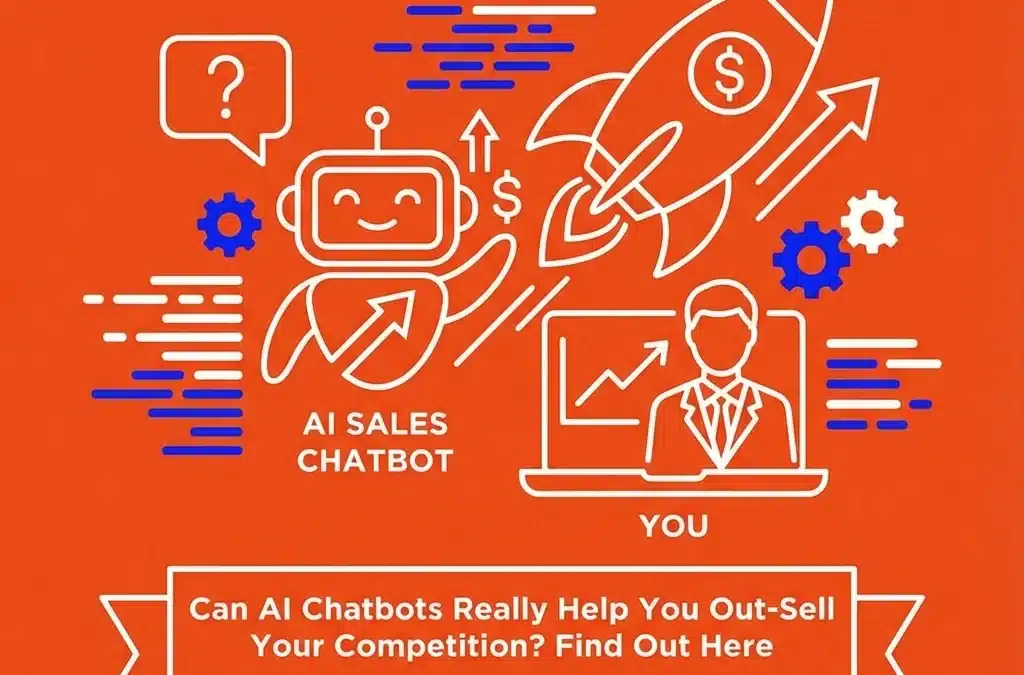
The short answer? Absolutely. AI chatbots aren't just fancy tech toys: they're becoming serious sales weapons that can give your business a real competitive edge. But don't just take our word for it. The numbers tell the story.
Companies using AI chatbots are seeing some pretty impressive results: 25% increases in conversion rates, 30% shorter sales cycles, and up to 90% of initial customer interactions handled automatically. Some businesses report a whopping 181% increase in sales opportunities, with closing rates jumping from 11% to 40%.
Sound too good to be true? Let's break down exactly how AI chatbots can help you outsell your competition and what you need to know to make it happen.
The 24/7 Sales Rep That Never Sleeps
Here's the thing: your competition is probably still operating on banker's hours. While they're closed for the night, your AI chatbot is wide awake, capturing leads and qualifying prospects.
Think about it: someone visits your website at 2 AM on a Saturday (it happens more than you'd think). Instead of bouncing because no one's available to help, they get immediate assistance from your chatbot. It asks the right questions, gathers their contact info, and even schedules them for a call during business hours.
Real Example: A local HVAC company installed a chatbot that asks visitors about their heating issues and availability for service calls. The bot captured 40% more leads during off-hours compared to their old contact form approach. Those late-night leads turned into next-day service calls worth thousands in revenue.
Instant Response = Competitive Advantage
Speed matters more than ever in sales. Research shows that companies responding to leads within 5 minutes are 100 times more likely to connect than those waiting 30 minutes. Your AI chatbot responds in seconds: every single time.
While your competitors are still checking email or returning calls hours later, your prospects already have answers and are moving forward in your sales process. This speed advantage alone can be the difference between winning and losing a deal.
Smart Lead Qualification That Actually Works
Not all website visitors are created equal. Your chatbot can quickly separate tire-kickers from serious buyers by asking the right qualifying questions upfront.
Instead of your sales team wasting time on unqualified leads, the chatbot does the heavy lifting:
- "What's your budget range for this project?"
- "When are you looking to get started?"
- "Are you the decision-maker, or will others be involved?"
Actionable Tip: Set up your chatbot to score leads based on their answers. High-scoring leads get immediate attention, while lower-scored leads enter a nurture sequence. This ensures your sales team focuses on the hottest prospects first.
Handling Objections Before They Become Deal-Breakers
Smart chatbots don't just collect information: they can address common objections and concerns instantly. When a prospect says "I need to think about it," the chatbot can immediately offer a discount, free consultation, or additional information that might close the deal on the spot.
Common objections your chatbot can handle:
- Price concerns → Offer payment plans or limited-time discounts
- Timeline worries → Explain your quick delivery process
- Feature questions → Provide instant access to detailed specifications
- Trust issues → Share testimonials and reviews automatically
The Follow-Up Champion
Here's where most businesses drop the ball: consistent follow-up. Your sales team gets busy, leads slip through the cracks, and potential customers forget about you. AI chatbots never forget to follow up.
They can send automated sequences that keep you top-of-mind:
- Day 1: Thank you message with next steps
- Day 3: Additional resources or case studies
- Day 7: Special offer or limited-time incentive
- Day 14: Final check-in before moving to long-term nurture
Success Story: A digital marketing agency uses their chatbot to follow up with leads who downloaded a free guide. The automated sequence resulted in 35% more consultation bookings compared to manual follow-up efforts.
Data Collection That Powers Better Sales
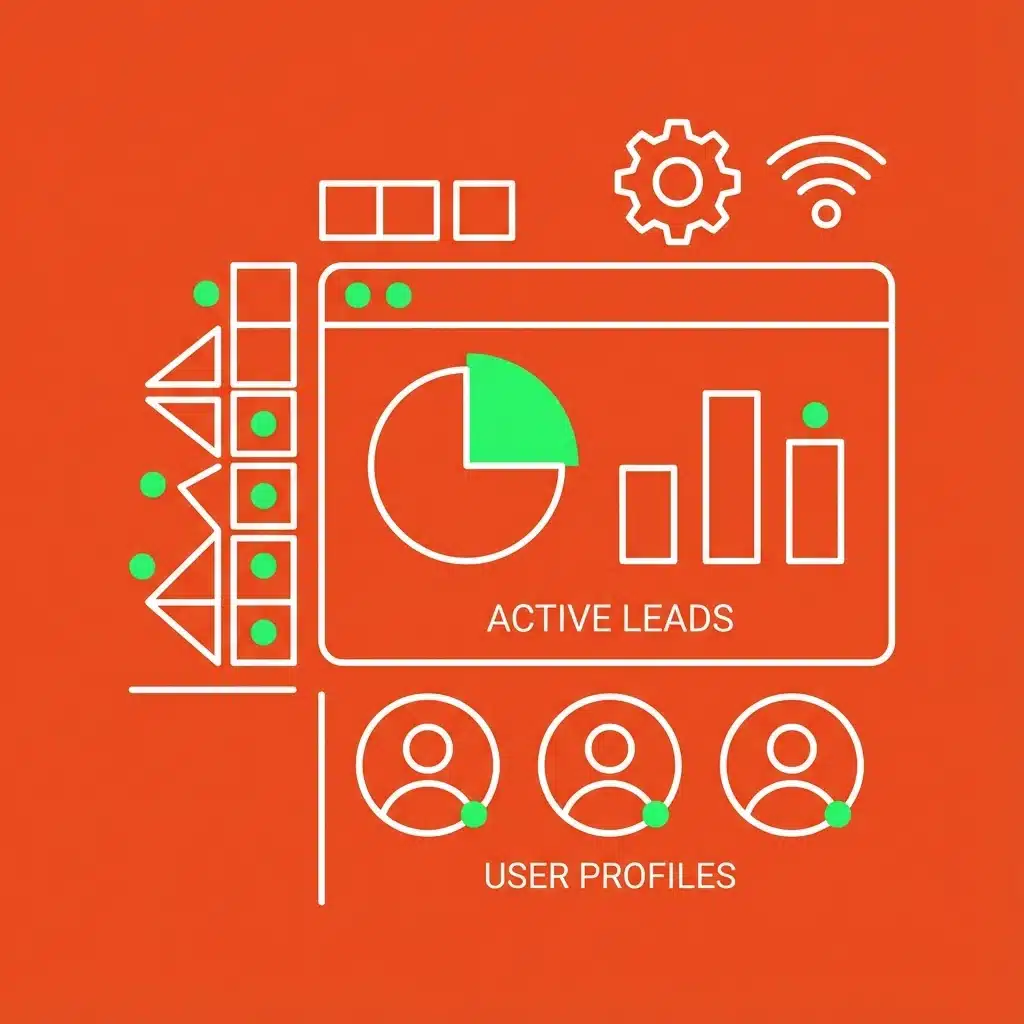
Every chatbot interaction generates valuable data about your prospects. You'll learn which questions matter most, what objections come up frequently, and which offers convert best. This intelligence helps you refine your entire sales process.
Your chatbot becomes a data-gathering machine that tells you:
- Peak inquiry times (so you know when to have humans available)
- Common pain points (helping you tailor your pitch)
- Popular products/services (informing your marketing focus)
- Geographic patterns (revealing expansion opportunities)
Integration That Makes Everything Seamless
Modern AI chatbots integrate with your existing tools: CRM systems, email marketing platforms, calendar apps, and more. This means qualified leads automatically appear in your sales pipeline without manual data entry.
When someone books a consultation through your chatbot, it can:
- Add them to your CRM with all conversation details
- Send a calendar invite with meeting details
- Trigger an email sequence with preparation materials
- Alert your sales team about the new qualified lead
Getting Started: Your AI Chatbot Action Plan
Ready to give your business this competitive advantage? Here's how to get started:
Step 1: Define Your Goals
What do you want your chatbot to accomplish? Lead generation? Customer support? Sales qualification? Be specific about your objectives.
Step 2: Map Your Customer Journey
Identify the most common paths visitors take on your website and the questions they typically ask. This becomes your chatbot's conversation flow.
Step 3: Start Simple
Begin with basic lead capture and gradually add more sophisticated features. You don't need to automate everything on day one.
Step 4: Train and Refine
Monitor conversations and continuously improve your chatbot's responses based on real interactions.
The Bottom Line on Competitive Advantage
AI chatbots aren't replacing human salespeople: they're making them more effective. While your competition is still playing phone tag and losing leads to slow response times, your AI-powered sales process is capturing more opportunities, qualifying them better, and nurturing them consistently.
The businesses that embrace this technology now will have a significant head start over those who wait. The question isn't whether AI chatbots can help you outsell your competition: it's whether you can afford not to use them.
Ready to explore how AI chatbots can transform your sales process? Our team at Web ABCs has helped dozens of businesses implement AI solutions that drive real results. Call us at 703-864-2599 or schedule a free consultation to discuss your specific needs.
The competitive advantage is real, measurable, and available right now. The only question is: will you be ahead of the curve, or watching from behind?
Syncing this post with Sonny for social media promotion...
by George Stark | Dec 23, 2025 | AI
AI is everywhere these days, and if you're running a plumbing, HVAC, electrical, or any other home service business, you've probably heard you need to jump on the AI bandwagon. But here's the thing – most home service business owners are making critical mistakes that are costing them customers and money.
Don't worry though. We're going to walk through the seven biggest AI marketing mistakes we see every day, and more importantly, how to fix them so you can actually grow your business.
Mistake #1: Using AI Without Clean Customer Data
This is the big one. You can't feed garbage into AI and expect gold to come out.
Most home service businesses have customer information scattered everywhere – sticky notes, old spreadsheets, different software systems that don't talk to each other. When you try to use AI marketing tools with this messy data, you get messy results.
What happens: Your AI sends the wrong messages to the wrong people. You might target someone for furnace repair who just had their system replaced last month, or send plumbing ads to commercial clients when you only do residential work.
The fix: Clean up your customer database first. Merge duplicate entries, update old contact information, and make sure you're tracking important details like service history, property type, and preferred contact methods. Most good CRM systems can help you clean this up automatically.
Mistake #2: Over-Automating Customer Interactions
AI chatbots and automated responses seem like a great idea until they start frustrating your customers.
When someone's dealing with a burst pipe or a broken air conditioner, they want to talk to a real person who can understand their emergency and get help on the way fast. Nothing kills trust faster than a chatbot that can't understand "my basement is flooding" and keeps asking them to select from a menu.
What happens: You lose emergency calls to competitors who answer their phones with real people. Customers get frustrated and leave bad reviews about your "unhelpful" automated system.
The fix: Use AI to assist your team, not replace them. Set up AI to handle simple questions like "What are your hours?" or "Do you service my area?" but make sure there's always an easy way to reach a real person for urgent issues.
Mistake #3: Ignoring Google Maps and Local SEO
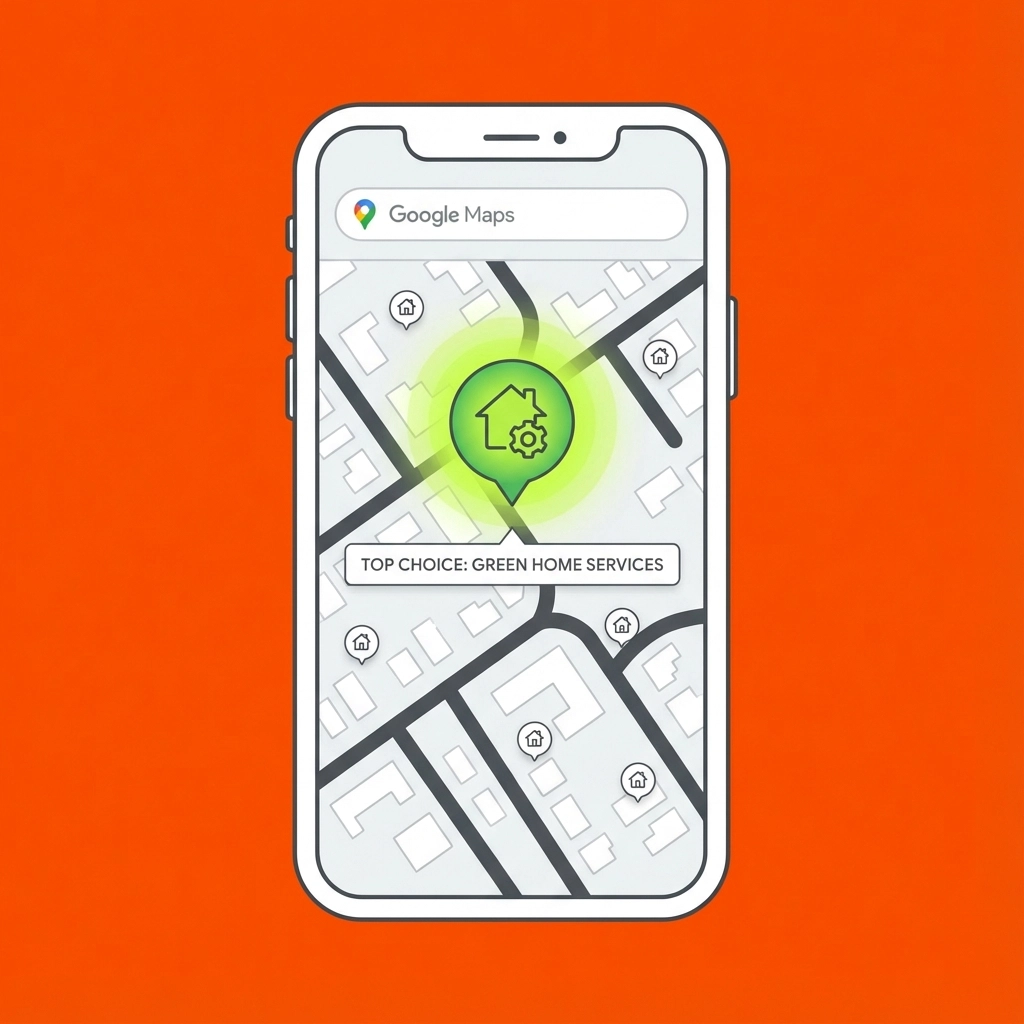
Here's a shocking fact: 97% of people learn more about a local business online than anywhere else. Yet many home service businesses are using AI for fancy social media campaigns while completely ignoring their Google Maps presence.
Your Google My Business profile is often the first thing potential customers see. If it's not optimized, all the AI marketing in the world won't help you.
What happens: Customers can't find you when they search for "plumber near me" or "emergency HVAC repair." They end up calling your competitors instead.
The fix: Use AI tools to help monitor and respond to reviews quickly, but make sure you're consistently updating your business hours, services, and photos. Ask satisfied customers to leave reviews, and always respond professionally to negative ones.
Mistake #4: Poor Targeting and Personalization
Generic marketing messages don't work anymore. People expect personalized communication, especially when they're spending thousands of dollars on home repairs or installations.
Many home service businesses use AI to blast the same message to everyone on their list. A homeowner dealing with a furnace breakdown in winter needs a different message than someone casually shopping for a bathroom renovation in spring.
What happens: Your marketing feels spammy and irrelevant. Potential customers ignore your messages or unsubscribe completely.
The fix: Segment your customer list based on service type, season, and past interactions. Use AI to automatically send targeted messages – heating system maintenance reminders before winter, AC tune-up offers before summer, and emergency service promotions during peak seasons.
Mistake #5: Not Tracking Lead Sources and Conversions
This mistake costs home service businesses thousands of dollars every month. You're spending money on AI-powered ads and marketing campaigns, but you have no idea which ones actually bring in paying customers.
Maybe your Facebook ads are generating lots of clicks but no actual service calls. Or your Google Ads are bringing in plenty of leads, but they're all people outside your service area or looking for services you don't provide.
What happens: You keep throwing money at marketing that doesn't work while missing opportunities to invest more in what does work.
The fix: Set up proper call tracking and conversion monitoring. Use unique phone numbers for different campaigns so you know exactly which marketing efforts are bringing in real customers. AI can help analyze this data and automatically adjust your ad spending to focus on what works best.
Mistake #6: Failing to Train Your Team on AI Tools
You've invested in AI marketing tools, but your team doesn't know how to use them effectively. Your office manager is scared of the new chatbot system, your technicians don't understand how the automated scheduling works, and nobody knows how to interpret the AI-generated reports.
What happens: You're paying for expensive AI tools that sit unused, or worse, are used incorrectly and create more problems than they solve.
The fix: Invest time in proper training. Make sure everyone on your team understands how the AI tools work and how they fit into your overall business process. Start with simple tools and gradually add more complex AI features as your team gets comfortable.
Mistake #7: Setting Unrealistic Expectations
AI isn't magic. It won't instantly transform your struggling home service business into a goldmine overnight. Many business owners expect AI to solve all their marketing problems immediately, then get frustrated when they don't see instant results.
AI marketing tools work best when they're part of a solid overall strategy that includes good customer service, quality work, fair pricing, and consistent follow-up.
What happens: You get disappointed with AI results and abandon tools that could actually help your business grow with the right expectations and patience.
The fix: Think of AI as a powerful assistant, not a replacement for good business fundamentals. Use AI to help you work more efficiently, reach more potential customers, and provide better service – but remember that the quality of your actual work is still the most important factor in your success.
Getting AI Marketing Right for Your Home Service Business
The good news is that when done correctly, AI marketing can be incredibly powerful for home service businesses. It can help you:
- Respond to leads faster (studies show you're 7 times more likely to qualify a lead if you respond within an hour)
- Target the right customers at the right time (like promoting heating services just before cold weather hits)
- Automate routine tasks so you can focus on actually serving customers
- Track what marketing actually works so you stop wasting money
The key is starting simple and building up gradually. Don't try to implement every AI tool at once. Pick one area – maybe lead tracking or review management – and get that working well before moving on to the next.
Remember, your customers care about one thing: getting their problems solved quickly and professionally. Use AI to help you do that better, not to replace the personal touch that sets great home service businesses apart from the competition.
Ready to Fix Your AI Marketing Strategy?
If you're tired of making these expensive mistakes and want to see how AI can actually help grow your home service business, we're here to help. Our team specializes in helping plumbers, HVAC contractors, electricians, and other home service professionals use AI marketing tools effectively.
Call us at 703-864-2599 today for a free consultation. We'll review your current marketing efforts, identify which AI tools make sense for your specific business, and create a plan that actually brings in more qualified customers.
Don't let another month go by throwing money at marketing that doesn't work. Let's get your AI marketing strategy fixed and start growing your business the right way.
Keywords for metadata: AI marketing mistakes, home service marketing, plumber marketing AI, HVAC marketing automation, electrician lead generation, local service business AI, Google My Business optimization, home service lead tracking, AI chatbots for contractors, automated marketing for home services, customer data management, AI marketing strategy, home service advertising